CompTIA CySA+ CS0-003 Exam FAQs for Beginners
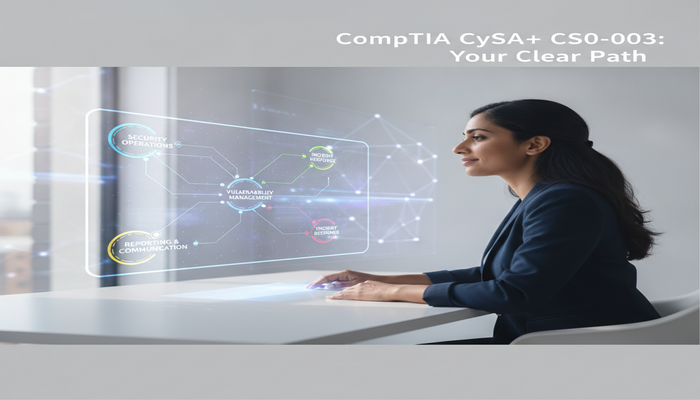
Embarking on a career in cybersecurity can feel like navigating a complex maze, especially with the array of certifications available. For those looking to validate their skills in incident response, threat detection, and vulnerability management, the CompTIA Cybersecurity Analyst (CySA+) certification stands out as a crucial credential. Specifically, the CompTIA CySA+ CS0-003 exam is the latest iteration designed to equip professionals with the knowledge needed to perform behavioral analytics on networks and devices to prevent, detect, and combat cybersecurity threats.
If you're a beginner exploring the cybersecurity landscape or looking to solidify your analytical skills, you likely have many questions about the CySA Plus certification. This comprehensive guide will address the most common frequently asked questions about the CompTIA CySA+ CS0-003 exam, providing you with a clear roadmap to understanding its importance, content, preparation, and career implications. We'll delve into everything from the CompTIA CySA+ CS0-003 exam syllabus to best CompTIA CySA+ training options, ensuring you have all the necessary information to kickstart your journey.
Understanding the CompTIA CySA+ CS0-003 Exam
The CompTIA Cybersecurity Analyst (CySA+) is a vendor-neutral certification that focuses on the analytical skills required to secure and protect systems and applications within an organization. Unlike other certifications that might focus solely on defensive or offensive strategies, CySA+ emphasizes proactive threat intelligence, detection, and response.
What is CompTIA CySA+?
The CompTIA CySA+ (pronounced sigh-sah-plus) certification is an intermediate-level certification designed for IT professionals seeking to validate their hands-on analytical skills in the cybersecurity field. It covers topics essential for defending against, analyzing, and responding to cyber threats. The latest version, CS0-003, updates the exam content to reflect the most current practices and evolving threat landscape, focusing heavily on a data-driven approach to security.
This certification is highly respected within the industry because it demonstrates a candidate's ability to not just understand security concepts, but to apply them in real-world scenarios. It bridges the gap between foundational certifications like CompTIA Security+ and more advanced certifications like CompTIA CASP+ or even specialized vendor-specific credentials.
Who is the CySA+ For?
The CySA Plus certification is ideal for cybersecurity analysts, security operations center (SOC) analysts, vulnerability analysts, threat intelligence analysts, security engineers, or anyone working in a defensive security role who needs to analyze security data and interpret the results to identify vulnerabilities, threats, and risks. While there are no strict prerequisites, CompTIA recommends having at least 3-4 years of hands-on experience in information security or achieving the CompTIA Security+ certification before attempting the CySA+ exam. This background helps candidates grasp the complex topics covered and relate them to practical situations.
For those new to the field, gaining foundational knowledge in networking and security concepts, perhaps through certifications like Network+ and Security+, is a beneficial first step. However, highly motivated individuals with strong technical aptitude can certainly pursue the CySA+ with dedicated study.
Why Earn Your CySA+ Certification?
Earning your CompTIA Cybersecurity Analyst (CySA+) certification offers numerous benefits. Firstly, it validates your expertise in critical security domains such as security operations, vulnerability management, and incident response. This makes you a highly attractive candidate for employers looking for skilled cybersecurity professionals. Secondly, it can open doors to new career opportunities or advancement within your current role, often leading to increased earning potential.
The certification also demonstrates a commitment to continuous learning and professional development, which is highly valued in the rapidly changing cybersecurity landscape. Moreover, because it's vendor-neutral, the skills you acquire are applicable across various technologies and platforms, giving you versatility in the job market. Many government and defense organizations also recognize CySA+ as fulfilling DoD 8570/8140 requirements, making it particularly valuable for those seeking public sector roles.
CompTIA CySA+ CS0-003 Exam Details at a Glance
Understanding the fundamental logistics of the CompTIA CySA+ CS0-003 exam is crucial for effective planning and preparation. Knowing the format, cost, and scoring helps you set realistic expectations.
Exam Code and Name
The official exam code for the latest version of the CompTIA Cybersecurity Analyst certification is CS0-003. It is commonly referred to as the CySA+ or CySA Plus exam. This code helps ensure you are studying for the most current objectives and will receive the updated certification upon passing.
Exam Format and Logistics
The CompTIA CySA+ CS0-003 exam consists of a maximum of 85 questions. These questions can include multiple-choice, drag-and-drop, and performance-based questions (PBQs), which simulate real-world scenarios and require candidates to apply their knowledge hands-on within a virtual environment. The duration of the exam is 165 minutes, giving you approximately two minutes per question, which emphasizes the need for efficient time management during the test.
To pass, candidates need to achieve a scaled score of 750 on a scale of 100-900. It's important to remember that this isn't a percentage, but a scaled score that accounts for the difficulty of questions. This comprehensive approach to assessment ensures that certified professionals possess practical, actionable skills. For a more detailed look into specific exam topics and study strategies, you might find valuable insights by exploring resources available on sites like this CompTIA CySA+ CS0-003 exam syllabus page.
Pricing and How to Schedule
The current price for the CompTIA CySA+ CS0-003 exam is $439 USD. However, prices can vary based on region and whether you purchase an exam voucher directly from CompTIA or through a training partner. It's always a good idea to check the official CompTIA website or your regional Pearson VUE testing center for the most accurate and up-to-date pricing information.
Scheduling your exam is a straightforward process. CompTIA partners with Pearson VUE for exam delivery. You can schedule your exam online through the Pearson VUE website, choosing a testing center near you or opting for online proctored testing, which allows you to take the exam from home. Make sure to review the system requirements for online proctored exams if you choose that option.
CompTIA CySA+ CS0-003 Exam Syllabus: What's Covered?
The CompTIA CySA+ CS0-003 exam content is structured around four main domains, each focusing on a critical aspect of cybersecurity analysis. Understanding these domains and their weightings is key to effective CompTIA CySA+ CS0-003 preparation and building your CompTIA CySA+ study guide. The full official objectives can be downloaded from the CompTIA Cybersecurity Analyst program page.
Domain 1: Security Operations (33%)
This is the largest domain, indicating its critical importance in the cybersecurity analyst role. It covers the core activities involved in maintaining a secure operational environment. Candidates are expected to understand how to apply security configurations to enterprise technology, implement and analyze secure network designs, and deploy security solutions in various environments (cloud, hybrid, on-premise). This domain also delves into understanding attack techniques, tools, and methods, including reconnaissance, exploitation, and post-exploitation phases. Knowledge of security baselines, automation scripts, and continuous monitoring is also paramount here.
A significant portion of this domain focuses on security information and event management (SIEM) systems. Candidates must be able to configure SIEM tools, analyze logs and alerts, and interpret the data to identify potential threats or anomalies. This includes understanding the various types of logs (e.g., firewall, web server, endpoint) and how they contribute to a holistic security posture. Furthermore, it covers identity and access management (IAM) principles, including multi-factor authentication, single sign-on, and directory services, ensuring that access to resources is appropriately controlled.
Domain 2: Vulnerability Management (30%)
The vulnerability management domain is all about identifying, prioritizing, and mitigating security weaknesses before they can be exploited. This involves a deep understanding of vulnerability assessment tools and techniques, including network scanners, web application scanners, and penetration testing methodologies. Candidates will learn how to conduct reconnaissance, perform scanning for vulnerabilities, and analyze the results to determine the risk level.
Beyond just identifying vulnerabilities, this domain emphasizes the importance of managing them. This includes prioritizing remediation efforts based on factors like exploitability, impact, and asset criticality. It also covers the process of communicating vulnerabilities to stakeholders and ensuring that appropriate patches or configuration changes are implemented. Secure software development lifecycle (SDLC) practices are also part of this domain, focusing on how to integrate security into the development process to prevent vulnerabilities from being introduced in the first place.
Domain 3: Incident Response and Management (20%)
Despite best efforts in prevention, security incidents are inevitable. This domain focuses on the processes and procedures for effectively responding to and managing cybersecurity incidents. It aligns closely with industry best practices and frameworks for incident response, such as those from NIST.
Key areas include the incident response lifecycle: preparation, identification, containment, eradication, recovery, and post-incident activities. Candidates must know how to identify the signs of an incident, collect and analyze evidence (digital forensics basics), contain the damage, remove the threat, restore affected systems, and conduct a post-mortem analysis to prevent future occurrences. Understanding incident classification, playbooks, and communication strategies during an incident are also critical. This domain often involves understanding common incident types like malware infections, insider threats, denial-of-service attacks, and data breaches.
Domain 4: Reporting and Communication (17%)
The smallest but equally crucial domain, Reporting and Communication, focuses on effectively conveying security findings and recommendations to various audiences. Cybersecurity professionals don't just find problems; they must also articulate them clearly and concisely, whether to technical teams or executive leadership.
This domain covers the creation of security reports, including vulnerability assessment reports, incident reports, and compliance reports. It emphasizes the importance of tailoring communication to the audience, explaining technical jargon in understandable terms, and providing actionable recommendations. Risk management frameworks, compliance requirements (e.g., GDPR, HIPAA), and privacy regulations are also discussed, as these often shape the reporting and communication needs of an organization. Understanding how to present data, utilize dashboards, and participate in security awareness training initiatives are also key components of this domain.
Preparing for Your CompTIA CySA+ CS0-003 Exam
Effective preparation is the cornerstone of success for any certification exam, and the CompTIA CySA+ CS0-003 is no exception. A well-structured approach will significantly increase your chances of passing and truly mastering the subject matter.
Effective Study Strategies
To master the CompTIA Cybersecurity Analyst exam content, a multi-faceted approach is recommended. Start by thoroughly reviewing the official CompTIA CySA+ CS0-003 exam objectives. These objectives serve as your blueprint for the exam, outlining every topic you need to understand. Create a study schedule that allocates sufficient time to each domain, prioritizing areas where you feel less confident.
Combine theoretical knowledge with practical application. Many concepts in CySA+ are best understood through hands-on experience. Utilize virtual labs, set up a home lab environment, or participate in practical exercises that mimic real-world scenarios. This will help you develop the muscle memory needed for performance-based questions. Reading technical documentation, security blogs, and industry news can also keep you updated on the latest threats and best practices, enhancing your overall understanding of cybersecurity issues.
Leveraging CompTIA CertMaster Learn
CompTIA offers a range of official training resources specifically designed for the CySA+ certification. One of the most highly recommended resources is CompTIA CertMaster Learn. This comprehensive online solution combines an interactive learning environment with a customizable study plan, video lessons, practice questions, and performance-based exercises. It's built to cover all CompTIA CySA+ CS0-003 exam objectives, making it an invaluable tool for structured learning.
CertMaster Learn also includes CertMaster Practice, which simulates the exam experience and provides immediate feedback on your performance, helping you identify areas that need more attention. For many, this integrated approach is the best CompTIA CySA+ training method, as it ensures you are covering all required material in an engaging and effective manner.
Practice Makes Perfect
Beyond official training, incorporating CompTIA Cybersecurity Analyst practice tests into your study routine is critical. Practice tests not only help you gauge your readiness but also familiarize you with the exam format, question types, and time constraints. Look for reputable practice tests that offer detailed explanations for both correct and incorrect answers. Analyzing these explanations is as important as answering the questions themselves, as it reinforces your understanding of the underlying concepts.
Don't just memorize answers; strive to understand why a particular answer is correct and why others are not. This deeper understanding will serve you well, especially with the adaptive nature of some exam questions and the emphasis on critical thinking. Regularly review your performance on practice tests to track your progress and adjust your study plan accordingly. Many candidates find that consistent practice test taking, especially under timed conditions, is a major factor in improving their confidence and readiness for the actual exam.
Creating Your Personalized Study Plan
Every learner is different, so a personalized study plan is essential for effective CompTIA CySA+ CS0-003 preparation. After reviewing the CompTIA CySA+ CS0-003 exam syllabus and taking an initial practice test to assess your baseline knowledge, identify your strengths and weaknesses. Allocate more study time to the domains where you scored lower.
Break down your study into manageable chunks. Instead of trying to cram hours of material in one sitting, aim for shorter, focused study sessions. Incorporate active learning techniques such as creating flashcards, explaining concepts to others, or drawing diagrams. Join study groups or online forums to discuss difficult topics and gain different perspectives. Remember that consistency is key; regularly reviewing material, even for short periods, is more effective than infrequent, long study sessions.
Career Prospects with CompTIA CySA+
Achieving the CompTIA Cybersecurity Analyst (CySA+) certification can significantly enhance your career prospects in the cybersecurity field. It positions you as a skilled professional capable of handling complex security challenges.
Common Job Roles
The skills validated by the CompTIA CySA+ certification align with a variety of in-demand cybersecurity job roles. These include, but are not limited to:
- Security Analyst: Monitoring security systems, analyzing logs, and responding to incidents.
- Vulnerability Analyst: Identifying and assessing vulnerabilities in systems and applications.
- Threat Intelligence Analyst: Researching and analyzing cyber threats to provide actionable intelligence.
- Security Operations Center (SOC) Analyst: Working in a SOC to detect, analyze, and respond to cybersecurity incidents.
- Incident Response Specialist: Specializing in the phases of incident response from identification to recovery.
- Application Security Analyst: Focusing on securing software throughout its development lifecycle.
The demand for these roles is consistently high, driven by the increasing sophistication of cyber threats and the growing regulatory landscape. According to the U.S. Bureau of Labor Statistics, the employment of information security analysts is projected to grow 32 percent from 2022 to 2032, much faster than the average for all occupations. You can find more details on this trend at the Occupational Outlook Handbook.
Salary Expectations and Industry Growth
Professionals holding the CompTIA Cybersecurity Analyst certification often command competitive salaries. While salaries vary based on experience, location, and specific job role, CySA+ certified individuals typically see a positive impact on their earning potential. Entry-level analysts with CySA+ can expect to earn a solid starting salary, which increases significantly with experience and additional certifications.
The cybersecurity industry continues to experience rapid growth, with a persistent shortage of skilled professionals. This demand-supply gap means that certified individuals like those with a CySA+ credential are highly sought after. The certification not only proves your technical capabilities but also your commitment to the field, making you a valuable asset to any organization.
Is CompTIA CySA+ Worth It?
Given the investment of time and money, many beginners ask, "is CompTIA CySA+ worth it?" The resounding answer from industry experts and certified professionals is yes. The CySA+ certification provides a practical, real-world skillset that is immediately applicable in various cybersecurity roles. It fills a critical niche in the certification hierarchy, bridging foundational knowledge with advanced penetration testing and incident handling skills.
Its vendor-neutral nature ensures that the knowledge gained is broadly applicable, not tied to specific technologies. This flexibility makes it an excellent choice for those looking to build a versatile career in cybersecurity. Furthermore, as organizations increasingly face sophisticated cyber threats, the analytical and threat detection skills validated by CySA+ are more critical than ever.
For those looking to deepen their understanding of advanced security concepts or recover from common certification failures, considering resources like how most CompTIA CAS-005 certification fails start here can be beneficial as you navigate your career path.
Frequently Asked Questions
Here are some of the most common questions beginners have about the CompTIA CySA+ CS0-003 exam.
1. What are the prerequisites for the CompTIA CySA+ CS0-003 exam?
While CompTIA does not enforce strict prerequisites for taking the CySA+ CS0-003 exam, they highly recommend having at least four years of hands-on experience working in an information security role. Additionally, it is strongly advised to have achieved the CompTIA Security+ certification or possess equivalent knowledge, as CySA+ builds upon the foundational concepts covered in Security+. A solid understanding of networking principles, operating systems, and basic security concepts will greatly aid your preparation and comprehension of the more advanced analytical topics in CySA+. Without this foundational knowledge, the learning curve for the CySA Plus certification exam objectives can be quite steep, potentially prolonging your study time and increasing the difficulty.
2. How much does the CompTIA CySA+ CS0-003 exam cost, and how can I schedule it?
The current price for the CompTIA CySA+ CS0-003 exam is $439 USD. This price may vary slightly depending on your geographical location and any promotional offers or bundles that CompTIA or authorized training partners might be providing. It's always a good practice to check the official CompTIA website directly for the most accurate and up-to-date pricing information before purchasing a voucher. To schedule your exam, you will need to visit the Pearson VUE website, which is CompTIA's official testing partner. On the Pearson VUE platform, you can create an account, search for the 'CompTIA CySA+ CS0-003' exam, select a convenient testing center or choose an online proctored exam option, and pick a date and time that fits your schedule. Remember to bring a valid ID to your testing appointment, whether in person or virtually, and review all check-in requirements to avoid any delays.
3. What are the best resources for CompTIA CySA+ CS0-003 preparation?
For optimal CompTIA CySA+ CS0-003 preparation, a combination of official CompTIA resources and supplementary materials is recommended. The cornerstone of your study should be the official CompTIA CySA+ study guide, which aligns directly with the exam objectives. CompTIA's CertMaster Learn is an excellent comprehensive platform offering interactive lessons, videos, and practice questions, specifically designed for the exam. Complement this with CompTIA CertMaster Practice for realistic exam simulations. Beyond official offerings, consider third-party study guides from reputable publishers, online video courses from platforms like Udemy or Pluralsight (taught by certified instructors), and CompTIA Cybersecurity Analyst practice tests to solidify your knowledge. Hands-on experience through virtual labs or a personal cybersecurity lab environment is also crucial, especially for understanding performance-based questions and the practical application of concepts like network security analytics and vulnerability scanning. Engaging with online communities and forums can also provide valuable insights and peer support as you tackle the CySA Plus exam resources.
4. What career opportunities can I pursue after achieving the CompTIA Cybersecurity Analyst certification?
The CompTIA Cybersecurity Analyst (CySA+) certification opens doors to a wide array of in-demand cybersecurity job roles. With your validated skills in threat detection, vulnerability management, and incident response, you'll be well-suited for positions such as Security Analyst, responsible for monitoring and analyzing security events. Other common roles include SOC Analyst (Security Operations Center Analyst), where you'll be on the front lines of incident detection and response; Vulnerability Management Analyst, focusing on identifying and mitigating system weaknesses; and Incident Response Specialist, who takes charge when a breach occurs. You might also find opportunities as a Threat Intelligence Analyst, researching emerging threats, or even in junior roles like Cyber Defense Analyst. These job roles are critical across various industries, from finance and healthcare to government and technology, demonstrating the broad applicability of the CompTIA CySA+ career path and the value it adds to your professional profile.
5. How difficult is the CompTIA CySA+ CS0-003 exam, and what is a good passing strategy?
The CompTIA CySA+ CS0-003 exam is generally considered to be of intermediate difficulty, building significantly on foundational knowledge like that from Security+. It requires not just memorization but a deep understanding of concepts and the ability to apply them to real-world scenarios, particularly with its emphasis on performance-based questions. A good passing strategy involves a multi-pronged approach. Firstly, thoroughly understand the CompTIA CySA+ CS0-003 exam domains and their respective weightings; allocate your study time accordingly. Secondly, prioritize hands-on practice. Utilize labs and simulated environments to gain practical experience in security operations, vulnerability scanning, and incident response. Thirdly, use a variety of study materials, including official CompTIA resources and high-quality CompTIA Cybersecurity Analyst practice tests. Don't neglect time management during the exam; allocate enough time for PBQs, which can be time-consuming. Finally, understand the CompTIA Cybersecurity Analyst passing score and aim for consistent performance across all domains. Consider how a sound security plus strategy lays the groundwork for advanced certifications like CySA+.
Conclusion and Next Steps
The CompTIA CySA+ CS0-003 exam represents a significant milestone for anyone serious about a career in cybersecurity analysis. It validates a highly sought-after skillset, focusing on the practical application of threat detection, vulnerability management, and incident response principles. By addressing these CompTIA CySA+ CS0-003 exam FAQs, we hope to have provided you with a clear and comprehensive understanding of what the CySA Plus certification entails, from its core objectives to effective preparation strategies and promising career opportunities.
As you plan your study journey for the CompTIA Cybersecurity Analyst certification, remember that consistency, practical application, and leveraging diverse resources are key. Don't just aim to pass the exam; strive to truly understand and master the material, as these skills are invaluable in the ever-evolving battle against cyber threats. For more insights on how certifications can shape your career, including approaches to other CompTIA exams, consider reading about smart prep for CompTIA Network Plus.
Ready to take the next step? Visit the official CompTIA CySA+ page to download the detailed exam objectives, explore training options, and begin your journey towards becoming a certified Cybersecurity Analyst. Your future in cybersecurity starts now!


Comments
Post a Comment